Driven by a deep curiosity about the world, I am a quick learner eager to apply my skills and knowledge.
I continuously acquire relevant skills to enhance my contributions to both individual and collaborative projects.
I can act as a point person, leading research, analysis, writing, or presentation of KPIs.
Alternatively, I can support the team to ensure projects are completed on time and exceed performance expectations.
I am excited to expand my knowledge and gain valuable experience while engaging in impactful work.
Professional
Skills
- Computational: Statistical Analysis,
Machine Learning, Agent-Based Modeling, Network Analysis, Natural Language Processing.
- Technical: R, Python, ChatGPT, Tableau, GitHub, Git, NetLogo, Web Scraping.
- Communication: Research Writing, Data Storytelling, Technical Presentations.
Experience
Research Associate - Drucker Institute Data Innovation Team, Claremont Graduate University, 2025 - Current
- Contributed to the development of the Drucker Institute 2025 Corporate Effectiveness Rankings featured in the Wall Street Journal.
- Performed data cleaning, validation, and quality assurance using R, supporting the integrity and reproducibility of ranking results.
- Developed documentation and codebook materials detailing indicator definitions, data sources, and scoring procedures.
Adjunct Professor, California State University Dominguez Hills, 2024 - 2025
- Designed coursework for four classes: Research Design; Government & Politics of East Asia; International Relations of East Asia; Statistics for Political Science.
- Applied project-based learning and lectures to bridge theory and practice, fostering critical thinking through relevant case studies.
- Developed original course materials and simulations to help students connect political theory, empirical evidence, and real-world decision-making.
- Mentored and advised 10+ students, providing academic support and career guidance.
Teaching Assistant: AI for Humanity: Technology, Ethics, and Society - Dr. Robert Klitgaard & Dr. Itamar Shabtai, Claremont Graduate University, 2025
- Co-developed and delivered course materials on Generative AI (GenAI) tools, ethical considerations, and practical applications.
- Mentored a student group on GenAI for Civic Engagement, advising on project design, ethical use of AI, and tool integration (ChatGPT, Claude, Gemini).
- Designed and graded assignments, delivering targeted feedback to strengthen student understanding of AI ethics, societal challenges, and responsible implementation.
Research Assistant - Dr. Melissa Rogers, Claremont Graduate University, 2023 - 2025
- Compiled a comprehensive dataset of US State Legislator details (1776-2024) spanning 10+ states.
- Developed a data pipeline to transform unstructured web data into a clean, analyzable format.
- Implemented web scraping techniques to efficiently collect data from multiple online sources.
Research Assistant - Dr. Yi Feng, Claremont Graduate University, 2022 - 2025
- Built a comprehensive index of Chinese Confucius Institutes in Latin America (2004-2023).
- Compiled and analyzed 300,000+ data points from the Latinobarómetro dataset across 18 countries (2001–2024).
- Authored a detailed codebook for streamlined dataset usability and interpretation.
- Conducted a series of quantitative analyses to examine the micro-foundations of China's Image in Latin America leading to a conference presentation at ISA.
Teaching Assistant: Predictive Analytics & Machine Learning - Dr. Mark Abdollahian, Claremont Graduate University, 2023
- Taught predictive analysis and machine learning models (RF, LDA, SVM, NN) to students using R.
- Developed project-based learning activities to improve student comprehension through learning-by-doing.
- Provided individualized academic support to students during office hours.
- Graded all student assignments, ensuring timely feedback and fair evalutions.
Researcher & Analyst, Red 5 Security, 2020-2021
- Conducted fast-pased threat research & analysis to provide actionable insights for high-priority clients.
- Designed & implemented Open-Source Research techniques to double report outputs.
- Trained a new member of the team, getting them up to speed in two weeks.
Education
Claremont Graduate University
Ph.D. International Relations & Political Science
Relevant Coursework ▼
- Qualitative and Mixed Methods
- Computation and Agent Based Modeling
- Natural Language Processing
- Analysis of Social Networks
- Strategic Modeling
- Policy Design and Implementation
- Comparative Political Economy
Claremont Graduate University, 2024
M.A. International Political Economy
Relevant Coursework ▼
- Statistical Methods
- Multivariate Analysis
- Data Analysis and Visualization
- International Political Economy
- Political Economy of International Development
- World Politics
- The World Economy
High Point University, 2019
B.A. History
Relevant Coursework ▼
- Post-1945 Middle East
- Modern Russia
- Revolutionary China
- American Politics
Honors and Fellowships
- Fellow, Transresearch Corsortium, 2023 - Present
- Druckers Fellow of Innovation, 2024 - Present
- Claremont Graduate University (CGU) Transdisciplinary Dissertation Award Fellows, 2024
- CGU Research Assistant of the Year Award, 2023
- CGU Luther J. Lee Jr. Memorial Award, 2023
- CGU Department of Politics & Economics Board of Advisors Outstanding Scholar Fund, 2022
Academia
Publications
-
Feng, Y., & Jeffries, C. (2026). Investigating Individual Characteristics and Determinants of China’s Image in Latin America. The International Journal of Interdisciplinary Global Studies.
Abstract ▼
The first two decades of the twenty-first century saw economic relations between Latin America and China expand significantly, creating ramifications that affect the lives of billions worldwide. This has reshaped domestic politics and economics in Latin America, providing an important opportunity to identify how Latin American people react to the ever-increasing presence of China in the region. Public opinion affects de facto and de jure actions, including national policy, toward China and transforms the context and processes of international trade and investment. Through the lens of various theoretical perspectives, this research examines Latinobarómetro survey data to explore the determinants of the opinion of China at the individual level in Latin America over twenty-three years (2001–2023). Our results show that age, gender, religion, ideology, employment status, perceptions of the country’s and the individual’s economy, satisfaction with the country’s democracy, level of education, and public opinion of the United States all have statistically significant effects on how the respondent views China. Through the statistical analysis of the large-scale survey data, this research sheds light on the micro-foundations of public opinion of China in Latin America.
Read
-
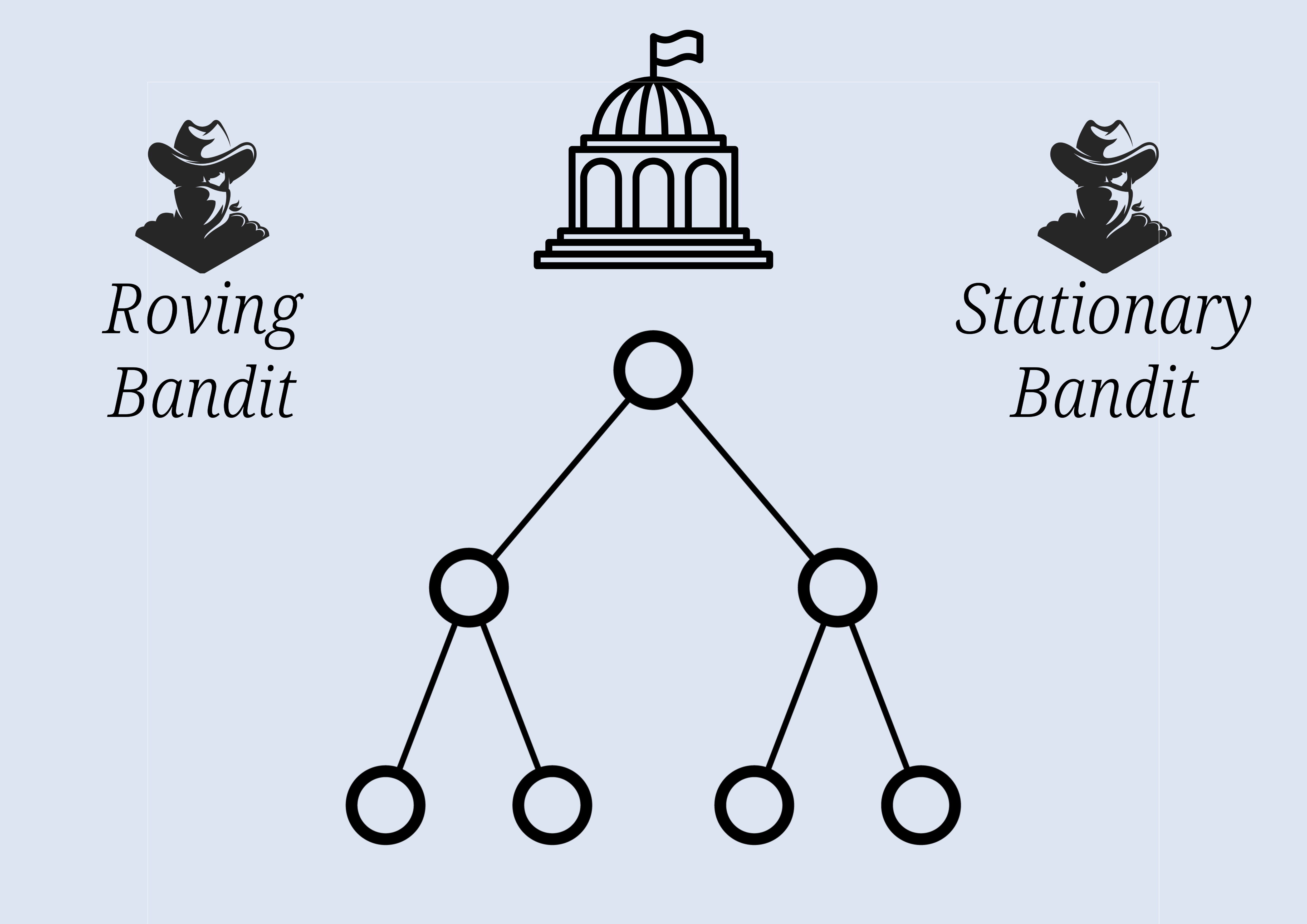
Jeffries, C. (2024). Simulating Olson's Bandits: An ABM Exploration of Government Decision Dynamics. In Proceedings of the Sixteenth International Conference on Advances in System Modeling and Simulation (SIMUL 2024) (pp. 12-18).
Abstract ▼
This study employs agent-based modeling (ABM) to simulate Mancur Olson's theory of roving and stationary bandits, with a focus on governance and economic performance. While empirical research has investigated Olson's theory, real-world case studies have not provided the best natural experiments to thoroughly examine it. This research investigates how bandits, under varying initial conditions, parameter values, and environments, govern and maximize their gains. The model, tested through scenario analysis, finds that stationary bandits consistently perform strongly due to their ability to invest in their subjects, giving them a long-term advantage. In contrast, roving bandits exhibit less stability, with varying conditions determining whether they survive, die out, or transition to stationary bandits. Those that transition manage to survive and thrive without investing in their subjects, challenging Olson's assumption that public goods beyond peace and order are essential for societal stability. While these initial results require further validation, they may offer future insights into governance in contexts of weak state capacity.
Read
-
Abdollahian, M., & Jeffries, C. (2024). Simulating Boyd’s OODA Loop: Towards an ABM of Human Agency and Sensemaking in Dynamic, Competitive Environments. In Proceedings of the Seventeenth International Conference on Advances in Computer-Human Interactions (ACHI 2024) (pp. 76-84).
Abstract ▼
Increasingly complex global scenarios require advanced simulations of human decision-making. Existing models often neglect the nuanced cognitive processes essential in dynamic environments, leading to oversimplified analyses. Leveraging John Boyd's conceptualization of the Observe, Orient, Decide, Act (OODA) loop, we propose a novel, agent-based simulation exploring human agency and sensemaking within evolving competitive landscapes. By endowing agents with diverse cognitive capabilities across the OODA spectrum, we dissect the nuanced impacts of heterogeneous information processing and cognitive strategies on agent fitness and survival. While Boyd emphasized the strategic advantages of swiftly navigating the OODA loop or infiltrating an opponent's loop, we also explore the effects of diverse information processing and cognitive abilities on agent fitness. Central to our initial findings is the critical significance of the Orient and sensemaking phase, which emerges as a decisive factor in surpassing the mere possession of information, collection of data or swift and efficient execution of decisions and actions. We present several scenarios—ranging in complexity and resource availability— that underscore the superiority of deep sensemaking over other cognitive capabilities. Although only an initial step, we believe such approaches can expand both OODA loop's theoretical underpinnings and its practical relevance in enhancing strategic decision-making processes for human, behavioral, social, and cultural phenomena.
Read
-
Jeffries, C., & Kowarsch, K. Y. (2023). Machine Learning Prediction of Intellectual Property Rights Based on Human Capital Factors. In X. S. Yang, R. S. Sherratt, N. Dey, & A. Joshi (Eds.), Proceedings of Eighth International Congress on Information and Communication Technology. ICICT 2023. Lecture Notes in Networks and Systems (Vol. 693). Springer, Singapore.
Abstract ▼
Regression modeling approaches with sufficient literature support have postulated that intellectual property rights (IPR) have a positive impact on human capital in general. However, few papers attempt to uncover the impact of human capital on IPR protections. As IPR fosters innovation, it is critical to understand how developments in education, technology, and health care affect IPR. This paper primarily focuses on the investigation of what specific human capital indicators would be good predictors of IPR and is conducted using machine learning techniques. Compared to ridge regression and pruned regression tree, the random forest model outperforms all other models, with the highest R squared score and the lowest RMSE score. The random forest model suggests that among health, technological skills, and education, university enrollment per capita and physicians per capita play a more important role for predicting intellectual property rights. Moreover, using classification modeling techniques, a neural network model with a few hidden layers and less elements in each hidden layer effectively overcomes the overfitting issue and surpasses all other more complex neural network models. This finding indicates that the concision and precision of artificial intelligence models helps simplify the degree of complexity of social science.
Read
-
Jeffries, C., & Kowarsch, K. Y. (2021). Book Review: Demystifying China's Innovation Machine: Chaotic Order, by Marina Zhang, Mark Dodgson, and David Gann. Oxford University Press, 2021, 304 pp. Journal of Policy Analysis and Management.
Abstract ▼
In Demystifying China’s Innovation Machine: Chaotic Order, Zhang and Dodgson seek toprovide an explanation of China’s current innovation environment by providing a deep historicaland sociopolitical context with which to understand the evolution of China’s policies. Theauthors focus on intertwined and endogenous relationships between high-tech businesses andChinese government policies from the late 1980s to present, which cultivate and endorse thedevelopment of high-tech startups that have sustained Chinese innovation growth as it movesfrom developing to developed and from innovation imitator to innovation leader. Demystifying China’s Innovation Machine identifies the central sociohistorical and policyelements using complex adaptive system theory (CAS) to unveil the mechanism of China’s rapidgrowth in technological innovation. The authors navigate China’s unique history and culture, thatshaped China’s unique institutional logic and policy implementation style, to provide readerswith the crucial components of China’s innovation machine.
Read
-
Jeffries, C. (2020). Spartan Austerity and Bribery. Columbia Journal of History, Summer 2020 (Volume IV: Issue II).
Abstract ▼
Popular perception of ancient Sparta is that of a belligerent polis with austere men and an invincible army. But according to Xenophon, Spartan ideals of austerity, equality, and honor declined especially during the Peloponnesian War. This paper confirms Xenophon’s theory of decline using relevant primary sources—Herodotus, Thucydides and more—that document Spartan corruption and bribery. Although there is evidence of corruption from our earliest sources on Spartan history, it became more widespread, both on campaign and within Sparta, during the fifth century. This paper begins by introducing the concepts of the Spartan mirage and Xenophon’s decline theory. The Spartan mirage describes the idealized version of Spartans, while Xenophon’s decline theory proposes that the mirage was shattered circa 400 BCE. Although some scholars, such as Hodkinson and Cartledge, discussed financial causes to this decline, past analyses overlook bribery cases. This paper analyzes several case studies split into four distinct categories: bribery and financial upkeep of the spartan military, bribery to alter military plans, bribery of oracles, and outlier cases. These case studies work together to reveal the deep history of corruption and bribery that dispels the Spartan mirage.
Read
Conferences
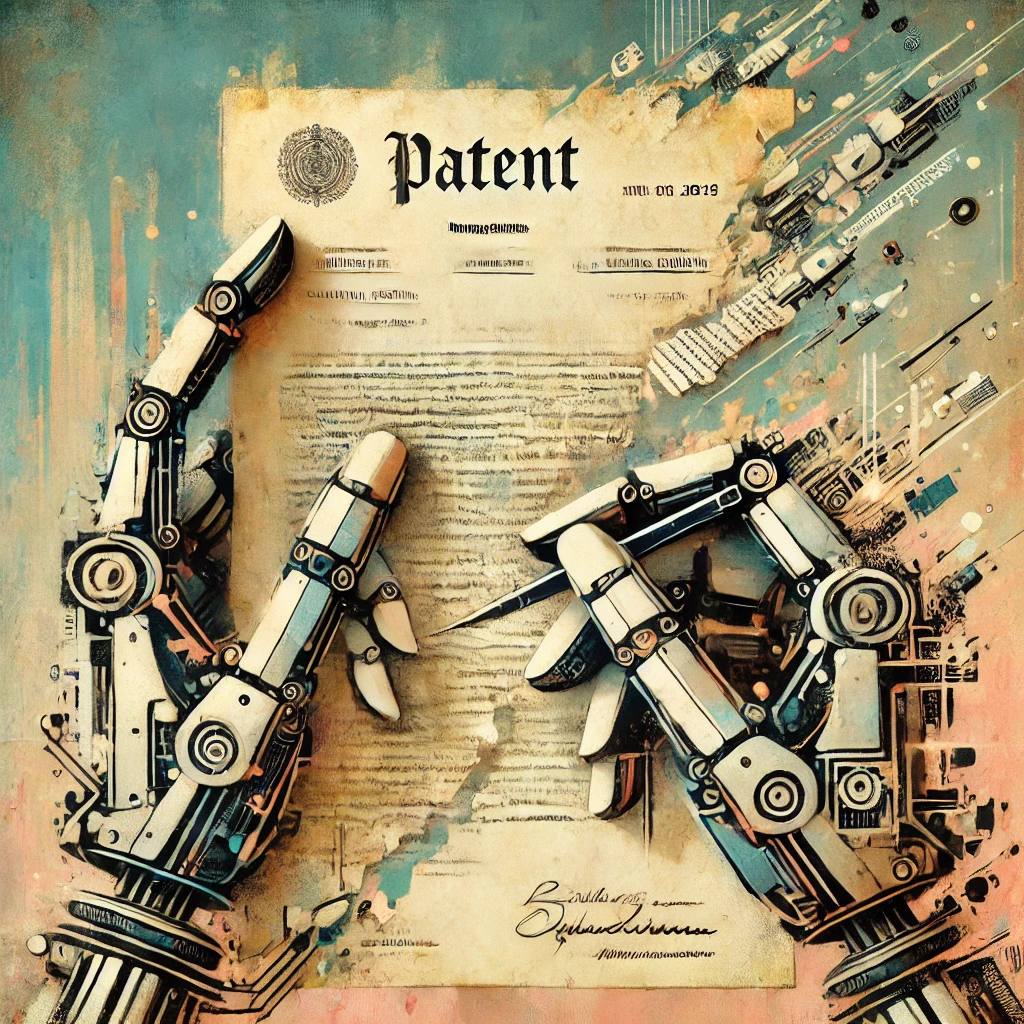
- The Patent Entry Barrier Index (PEBI): Evaluating Patent System Accessibility. TransResearch Consortium Annual Conference (2024)
- What Are the Individual Characteristics That Influence the Public Opinion of China in Latin America? A Statistical Analysis of the Latino Barometro Data. International Studies Association (ISA) Annual Convention (2024)
- Reviewing the GP Patent Strength Index: An Analysis of Concept Operationalization and Measurement. TransResearch Consortium Annual Conference (2023)
- Machine Learning Predictions of Intellectual Property Rights Based on Human Capital Factors. International Congress on Information and Communication Technology (2023)
- Spartan Austerity and Bribery. American Historical Association (2020)
- Spartan Austerity and Bribery. State of North Carolina Undergraduate Research and Creativity Symposium (2019)
Teaching
When I began teaching at CSUDH, I discovered a passion for education.
Developing a flexible and engaging course was an exciting challenge as I worked to accommodate diverse learning styles.
Teaching challenged many of my preconceived ideas about teacher-student dynamics and effective classroom strategies.
Through teaching more classes and engaging in discussions with students and faculty,
I developed two core principles that shape my teaching philosophy.
The first core philosophy is project-based learning and learning by doing.
This method emphasizes applied knowledge over rote memorization and has been a proven method of effective education.
It offers students flexibility by enabling them to pursue projects aligned with their interests,
striking a balance between course objectives and personal engagement.
These projects foster creativity and help students develop essential skills,
such as oral and written communication, alongside a deeper understanding of course content.
When combined with agile development – a philosophy from software design that encourages rapid prototyping, consistent iteration (“fail early, fail often”),
and responsiveness to feedback – project-based learning becomes more impactful.
This process enables students to refine their projects through multiple iterations,
incorporating feedback to produce a higher-quality final product,
one they can showcase in a professional portfolio.
The second core philosophy is collaborative learning,
where students actively engage with course concepts by working together in teams or pairs.
This approach can be implemented in various ways, including group assignments,
think-pair-share activities, and other interactive methods.
One effective method pairs students in a peer tutoring dynamic,
where a student with stronger knowledge assists a peer who is still mastering the concept.
The student teaching gains a deeper understanding by articulating the concept,
while the student learning benefits from asking questions and engaging with the topic at their own pace.
As students engage in these conversations, I circulate through the classroom to facilitate discussions and offer guidance.
These activities foster interaction and collaboration, transforming the classroom into a cooperative learning environment.
This approach helps students develop teamwork and collaboration skills that are directly transferable to their careers and everyday life.
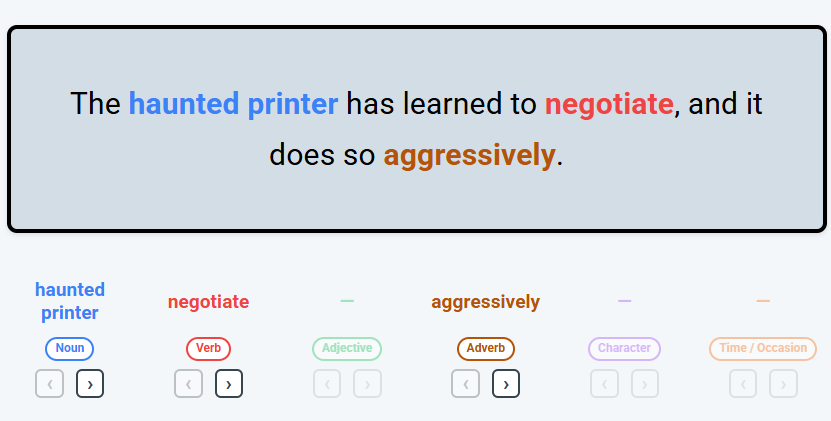
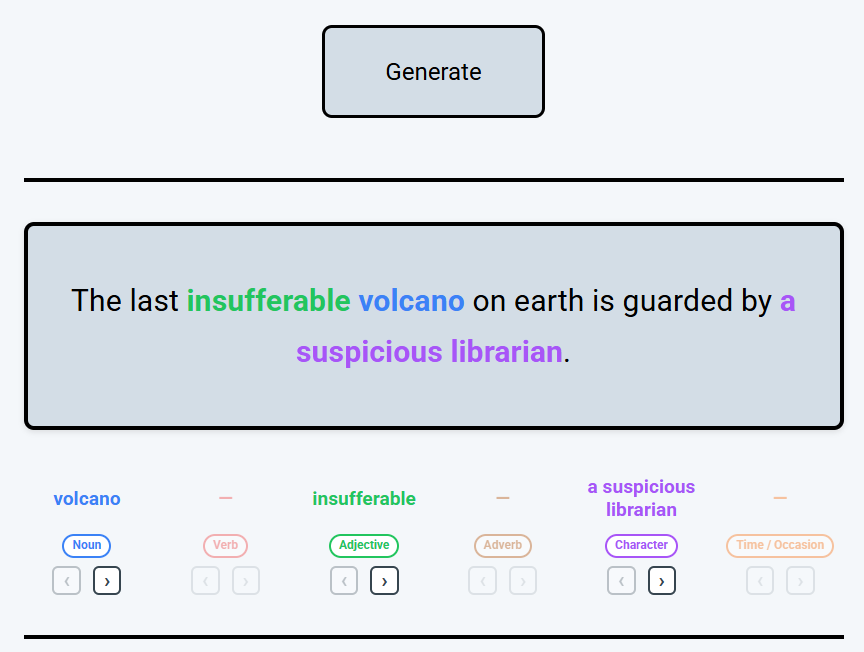
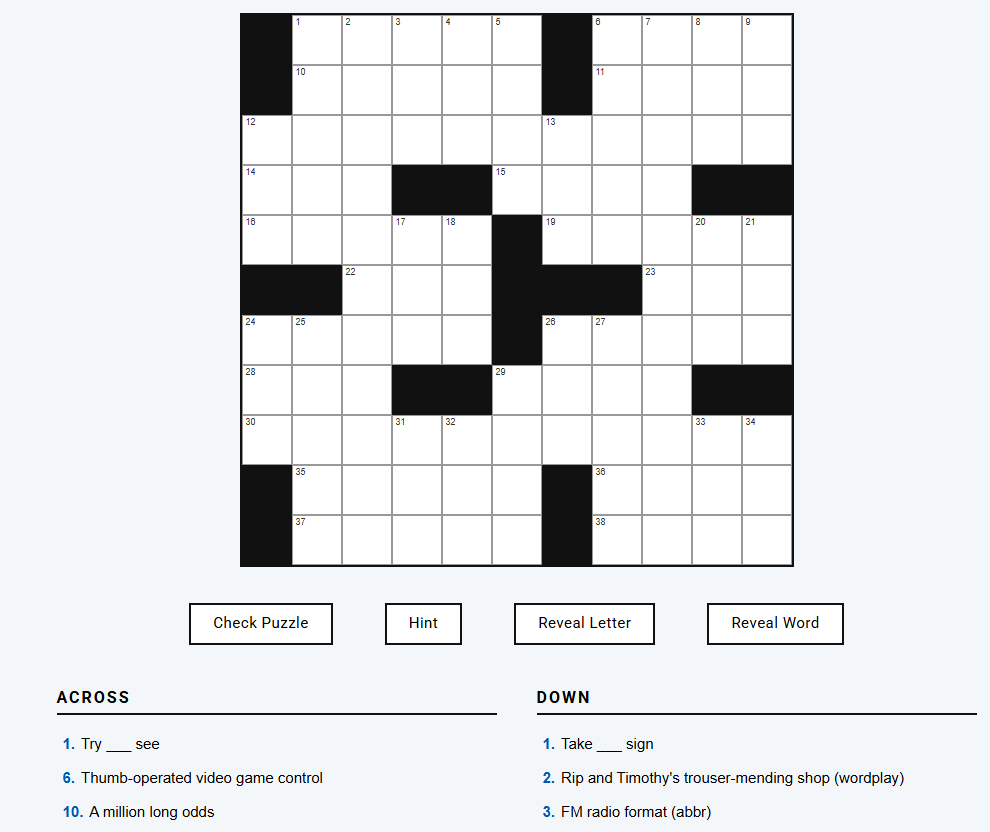
A third concept I am learning and eager to integrate into my teaching is gamification.
Gamification is a philosophy that seeks to integrate the best elements of games –
such as achievements, quests, checklists, and rewards – into systems like education.
Similar to project-based learning this approach frames failure as an opportunity to learn,
encouraging students to refine their ideas and come up with innovative solutions.
Gamification transforms education into a creative and exploratory process,
fostering problem-solving, innovation, and critical thinking.
By gamifying education, students are encouraged to experiment, take creative risks,
and develop innovative solutions to complex challenges.
These techniques not only enhance learning outcomes but also make the process more dynamic and fun.
I am excited to continue teaching and help students chase their dreams!